Booking platforms help people discover your property. Your own website can support direct bookings. The right balance depends on how you run your accommodation.
Your calendar fills through Airbnb or Booking.com. Guests find your property, browse the photographs, read reviews and book through a service they already know.
So why build a separate website?
The question often comes up when you review commission costs, want to present your property more fully or realise that nearly all your bookings depend on one intermediary.
Leaving the platforms is not necessarily the answer. They provide a useful service, particularly when you are starting out or want to reach travellers who have never heard of your property.
A more practical goal is to keep the channels that bring worthwhile bookings while gradually building a presence of your own.
What Airbnb and Booking.com do well
A booking platform brings together people who are already looking for accommodation. For owners, that audience creates an opportunity to be discovered without having to build every source of visibility from scratch.
Search filters, reviews, property comparisons and a familiar booking process also help guests make decisions. Depending on the platform and the services enabled, payment tools, messaging and support are part of the offering.
For a newly opened B&B or a holiday cottage welcoming its first guests, this can be valuable.
Visibility is not guaranteed, however. Your listing competes with other properties, and results also depend on location, photographs, pricing, availability and reviews.
A platform is a distribution channel. Its value depends on the bookings it brings and what those bookings actually cost you.
Commission: use your own figures, not a general percentage
Fees are a good reason to consider direct bookings. But start with the charges that apply to your property, rather than a rate quoted in an old article.
Airbnb says it is gradually moving home hosts to a single-fee structure. Most hosts on this structure pay 15.5%, deducted from the host payout. Exceptions apply, so check your account and individual booking breakdowns.
With Booking.com, the applicable commission percentage is stated in the property’s agreement. A rate of 15% should therefore not be presented as universal.
To understand your real distribution costs, look at commission, any payment charges and the discounts you fund.
Terms checked in October 2026. Check the conditions that apply to your account.
A practical example
Imagine a booking worth €600, with a hypothetical commission of 15%. The distribution cost would be €90.
If the same stay were booked directly at the same price, with €12 in variable costs, the difference would be €78.
Across twenty comparable stays, that would amount to €1,560, before accounting for the website, booking tools, marketing and administration time.
If you also gave the guest a €30 direct-booking discount, the difference would fall to €48 per stay, or €960 across twenty stays.
These figures are illustrative, not a forecast. They show why direct bookings are not free, and saved commission is not automatically profit.
What a website can bring to your property
Your own website gives you space to present the property in your own way.
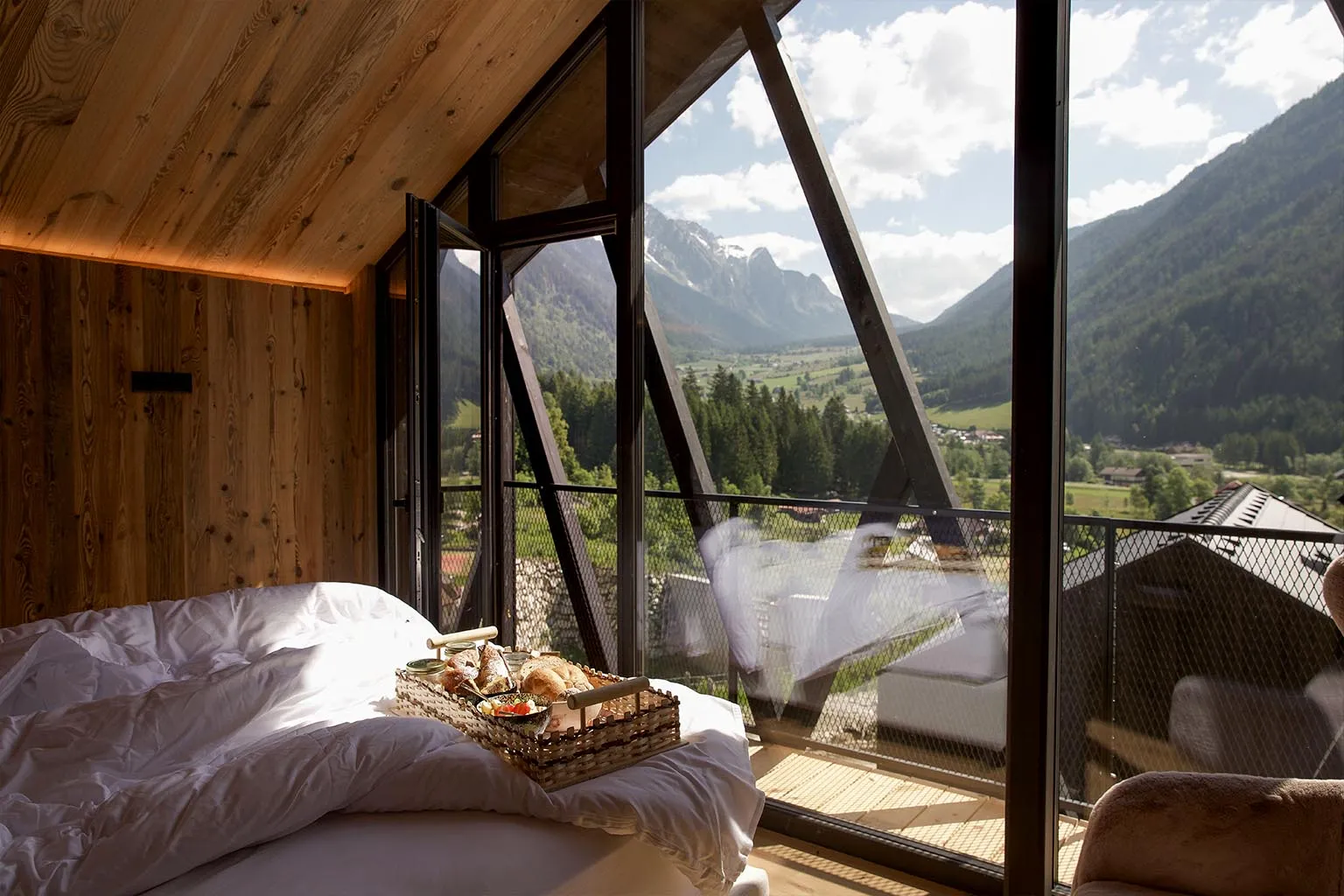
On a platform, every listing follows a common structure. On your website, you can explain what makes a stay distinctive: a restored family house, a peaceful garden, breakfast made on site or a convenient base for exploring the area.
That freedom should also meet practical needs.
A family wants to understand the sleeping arrangements. A couple wants to know whether the terrace is private. Someone travelling with a dog needs clear pet policies. A group needs to understand capacity and shared spaces.
A useful website answers these questions before the first enquiry.
It can also make it easier to discuss stays that need a personal response: several rooms for an event, an extended visit, particular arrival arrangements or exclusive use, where these options are available.
A property website does more than show attractive rooms. It helps the right guest recognise the stay they are looking for and take the next step.
A website, booking platforms or both?
| Your approach | What it offers | What it requires |
|---|---|---|
| Booking platforms only | Access to their audience and an established booking process. | Commission, compliance with platform rules and reliance on those channels. |
| A website with direct bookings | Control over your presentation and a booking channel of your own. | Work to attract visitors, maintain tools and manage bookings. |
| A website alongside platforms | Several ways for guests to find and book your property. | Coordination of calendars, rates and booking conditions. |
For a small independent property, a combined approach is often worth considering.
It lets you retain a platform that performs well while giving people a clear destination when they find you through recommendations, a search for your property name or a local partner.
This does not mean joining every platform. Two well-managed channels may be more useful than five listings that are difficult to maintain.
When a website can wait
A website does not have to be your first investment.
If you rent out your property for only a few weeks a year, are just getting started or still need better photographs and clearer listing information, other improvements may come first.
The same applies if you do not yet have time to respond to direct enquiries or keep availability up to date.
Start by making the offer easy to understand: recent photographs, accurate facilities, clear conditions and reliable communication.
A website becomes more useful when your business is established enough to support it, when you want to develop a recognisable identity or when you have a specific need that the platforms do not meet well.
As with any small business, the question is: is this the right tool at the right time?
Develop direct bookings without diverting platform reservations
Building direct bookings starts with developing your own sources of enquiries: your website, recommendations, local partnerships and your property’s own communications.
It does not mean using a platform’s messaging system to suggest paying elsewhere.
Airbnb restricts off-platform payments and invitations to book outside its service, including future and repeat bookings. A completed stay should therefore not be treated as blanket permission to solicit the next booking directly.
For Booking.com, European rules prohibit the parity requirements covered by the Digital Markets Act. For relevant properties in the European Economic Area, this allows more favourable terms on their own channels. Other contractual obligations still apply.
Having someone’s email address does not automatically give you permission to send marketing messages either. Consent and opt-out requirements apply, with limited exceptions such as certain communications to existing customers about similar services.
The aim is to build direct relationships through appropriate channels, with people who have chosen that contact.
A website does not create its own audience
Once your website is live, guests still need to find it.
They might search for your property name, follow a link from a local partner, discover you on social media or find a page that answers a genuine question about their stay.
For a holiday cottage near Dinan, useful content might explain travel times, parking, activities accessible from the property or whether a car-free stay is realistic.
That is more helpful than a series of generic paragraphs about “the charm of Brittany”.
A consistent property name, good photographs and up-to-date information also help people recognise your accommodation wherever they encounter it.
Then measure meaningful results: relevant enquiries, confirmed bookings and revenue. A website that attracts visitors but makes availability or contact details difficult to find still has work to do.
Three ways to manage bookings through your website
1. An enquiry form
Guests submit their dates, party size and requirements. You check availability and reply with the details and booking conditions.
This can suit a modest number of enquiries or stays that require a conversation.
The technical setup is generally less expensive, but you need to respond promptly. Make it clear that submitting the form is an enquiry, not a confirmed booking.
2. A synchronised availability calendar
A calendar helps visitors identify possible dates. Some systems use iCal links to share blocked periods between tools.
This is not an instant synchronisation of every part of your booking operation. Airbnb, for example, says its imported calendars refresh automatically every three hours.
Displaying availability does not, on its own, manage payments, prices or confirmations. Check exactly what your chosen tools exchange and how you will minimise the risk of double bookings.
3. A booking engine with online payment
Guests choose their dates, see the price and complete their booking online.
Depending on the tools, a channel manager can coordinate availability and other information with compatible platforms.
This is a more comprehensive setup, but subscriptions, transaction fees, supported connections and configuration work all need consideration.
Before choosing a system, identify what you actually want to automate. The most extensive solution is not always the most appropriate one.
When comparing budgets, separate website design and development from hosting, maintenance and any third-party booking services.
Photographs and information that help guests choose
An attractive photograph catches the eye. A coherent set of images helps someone decide.
Show complete rooms, bathrooms, outdoor spaces and the features that make a difference. Breakfast details and reading corners create atmosphere, but they do not replace clear views of the property.
Photographs should reflect what guests will find when they arrive. Avoid creating expectations the accommodation cannot meet.

A checklist for a useful accommodation website
- Recent, representative photographs.
- Capacity, sleeping arrangements and facilities.
- Clear rates and any additional charges.
- Availability or an easy way to enquire.
- A booking or contact button that is easy to find on mobile.
- Check-in and check-out information.
- Cancellation policies and conditions of stay.
- Directions, parking and practical details.
- Genuine reviews with their source identified.
- An introduction to the hosts and clear contact details.
- Appropriate language versions for your guests.
For properties in France, administrative requirements must be checked separately: declaration or registration, tourist tax and other obligations depend on your circumstances. Choosing a booking tool does not replace those responsibilities.
So, what should you keep?
Before removing a listing or investing in a new system, review the previous twelve months.
Which channels brought bookings? At what times of year? How much remained after commission and discounts? How much time did each channel take to manage?
A platform that fills otherwise difficult dates may still be valuable. A website that supports group enquiries may serve a different purpose. A little-used channel that takes disproportionate effort may be worth simplifying.
You do not have to choose between relying entirely on platforms and doing everything yourself.
Keep what works, build your own presence gradually and develop direct bookings at a pace you can manage.
What would work for your property?
You already receive bookings, but are unsure what a website could add?
At BeFound Studio, we start with your property, your guests and the way you work. From there, we shape an online presence that fits: property presentation, photography, practical information and a clear enquiry or booking journey.
Let’s talk about your property and what would genuinely help.